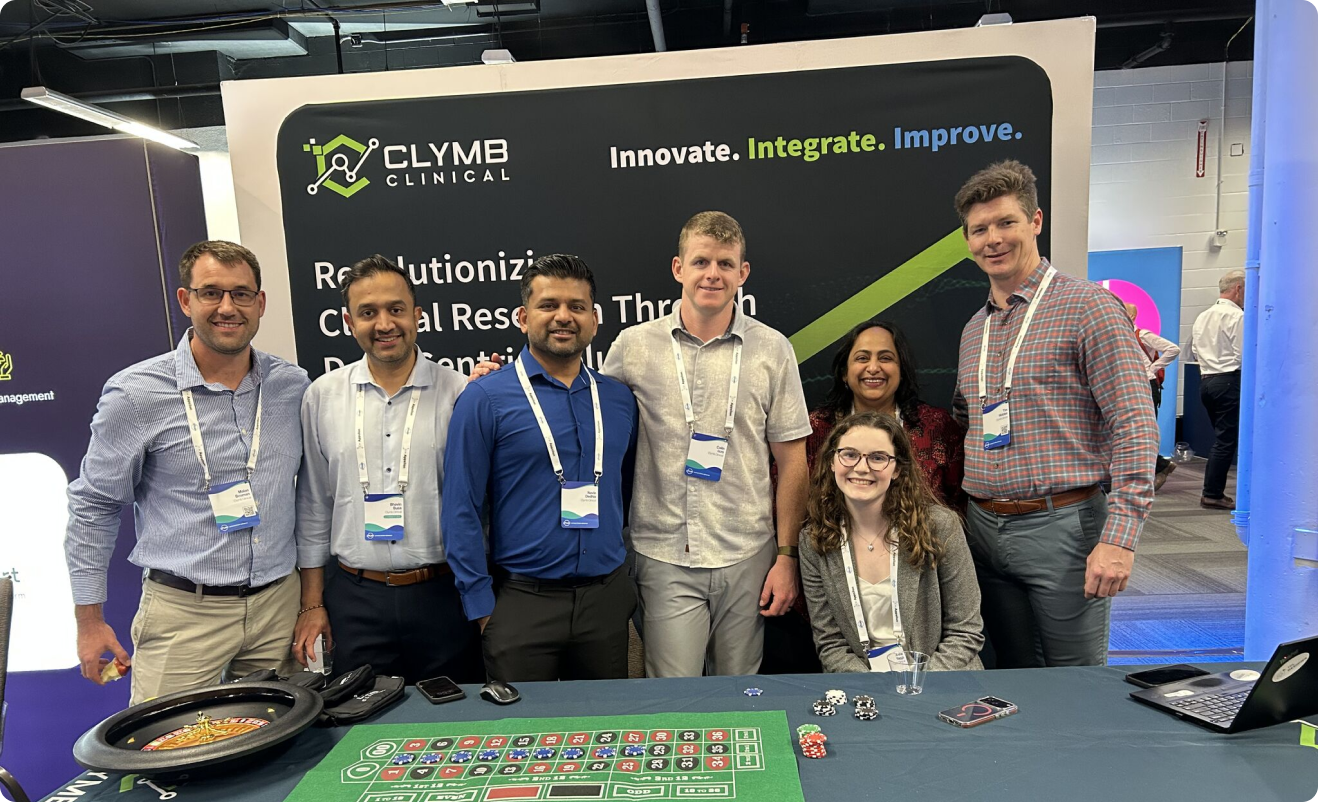
PHUSE US Connect 2026 was one of the most active conference weeks in Clymb Clinical's history. Our team of seven traveled to Austin, Texas to present, exhibit, connect, and compete in the annual 5K Fun Run. Across five days, the Clymb team delivered five technical presentations, hosted two Clymbr Hub Lunch & Learn sessions, and came home with a Best Paper Award. Here is a look at everything that happened.
Watch: Clymb Clinical Keynote VideoBefore you read on, check out the video below.
Best Paper Award: Malan BosmanThe highlight of the week came when Malan Bosman was awarded Best Paper in the Emerging Trends and Innovation stream for his presentation, "Automated Code Generation: Evaluating Deterministic and Probabilistic Approaches." This recognition from the PHUSE community reflects the quality of thinking Malan and the broader Clymb team bring to the question of how AI fits into clinical programming workflows. We are incredibly proud of this achievement.
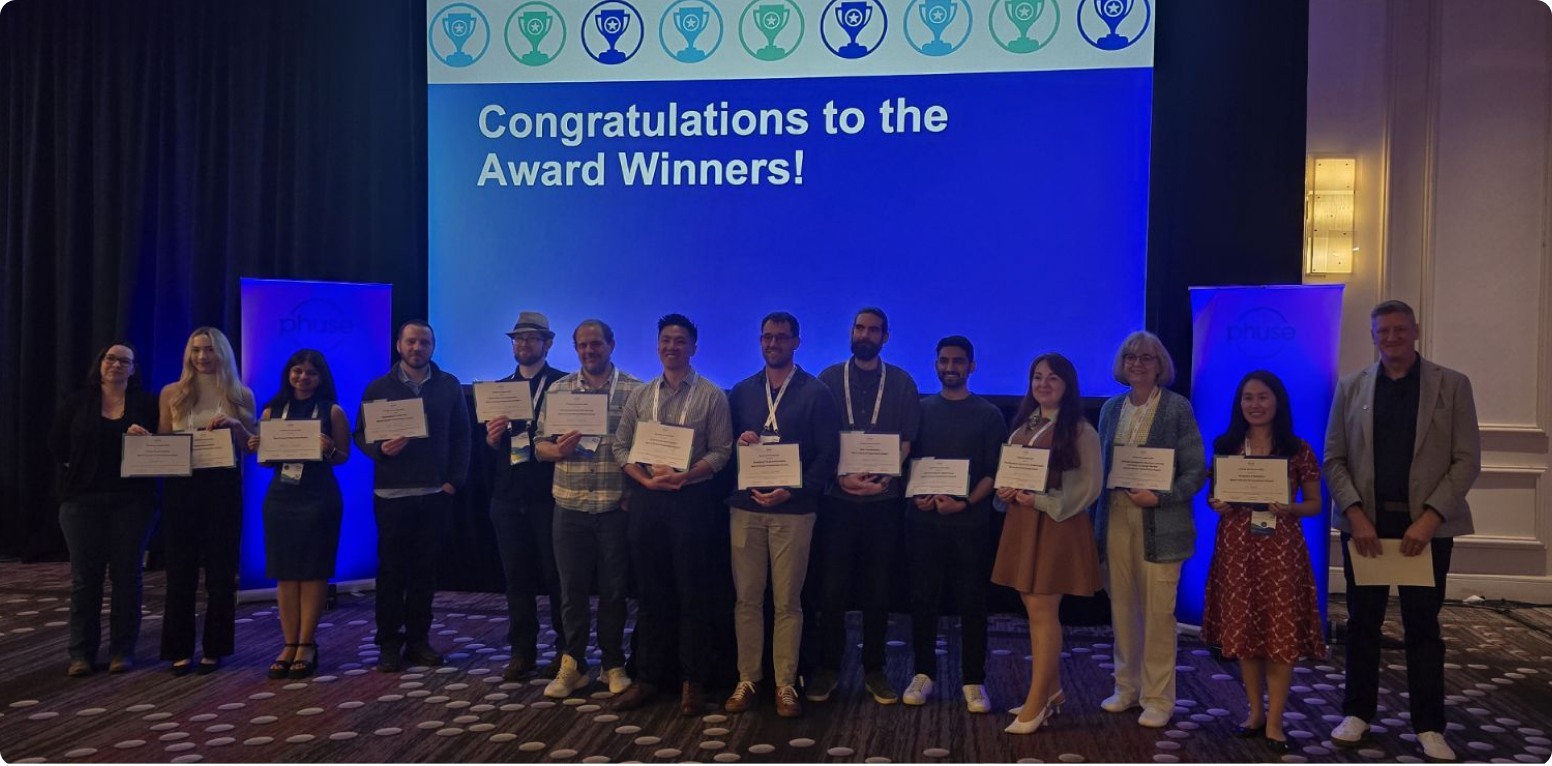
The Clymb team delivered five sessions covering automation, AI, and compliance in clinical data programming.
1. Automated Code Generation: Deterministic and Probabilistic Approaches
Presenter: Malan Bosman
This award-winning session explored two approaches to automated TFL code generation. The deterministic approach uses defined logic to produce consistent results; the probabilistic approach uses GenAI to introduce flexibility. Malan demonstrated both in practice, comparing their strengths and ideal use cases within modern clinical programming workflows that incorporate CDISC ARS and open-source tooling.
.png)
2. CDISC ARS Template Code: Gearing Up with Automation in TFL Programming
Presenters: Anna Yaggi and Malan Bosman
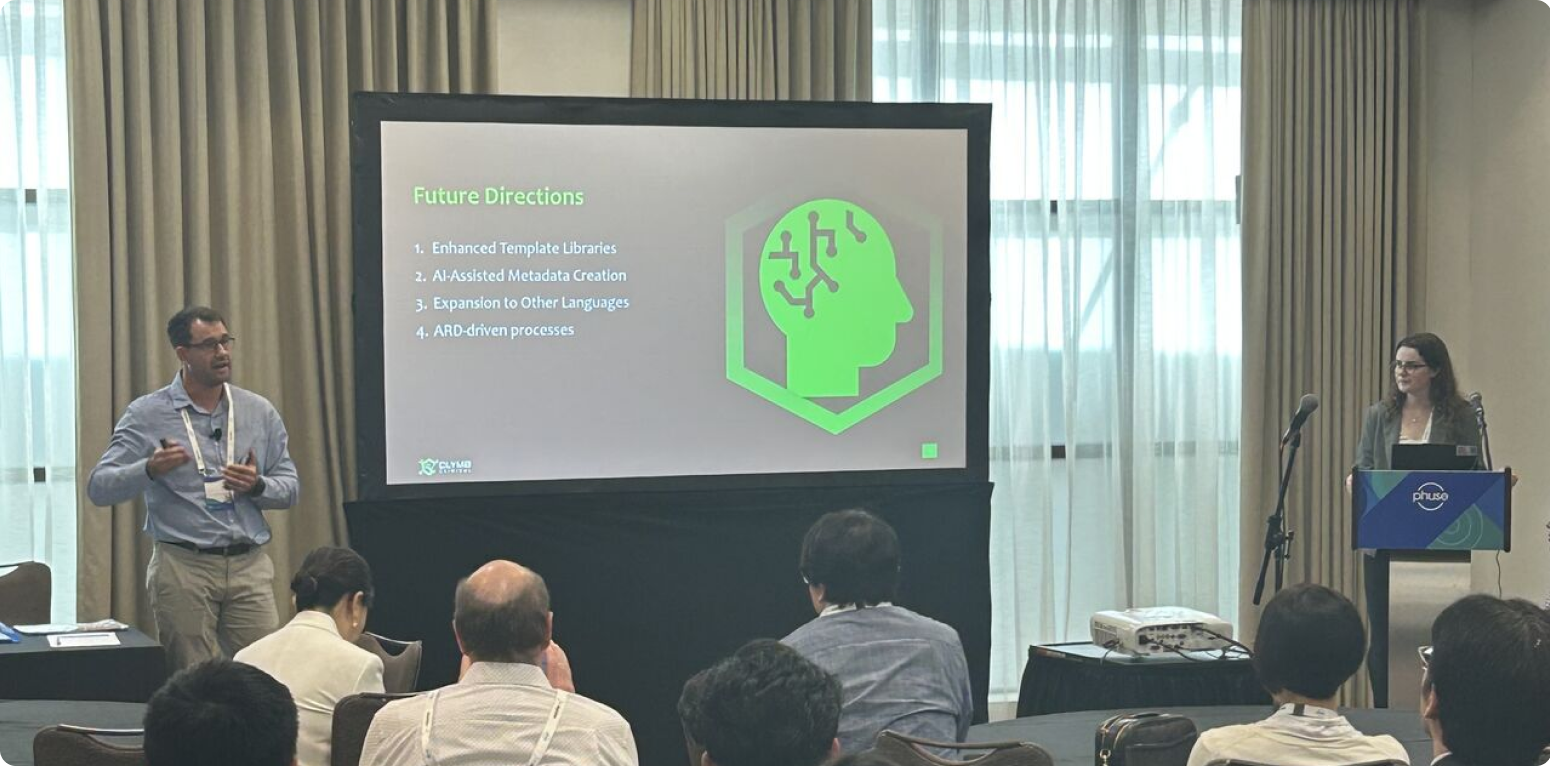
Anna and Malan presented how the CDISC Analysis Results Standard (ARS) enables metadata-driven TFL automation at scale. The session covered how Analysis Results Datasets (ARDs) and the "Analysis Method Code" concept, what Richard Marshall describes as "Gear 5," allow teams to drive standardized outputs directly from ARS metadata using R packages such as cards and cardx.
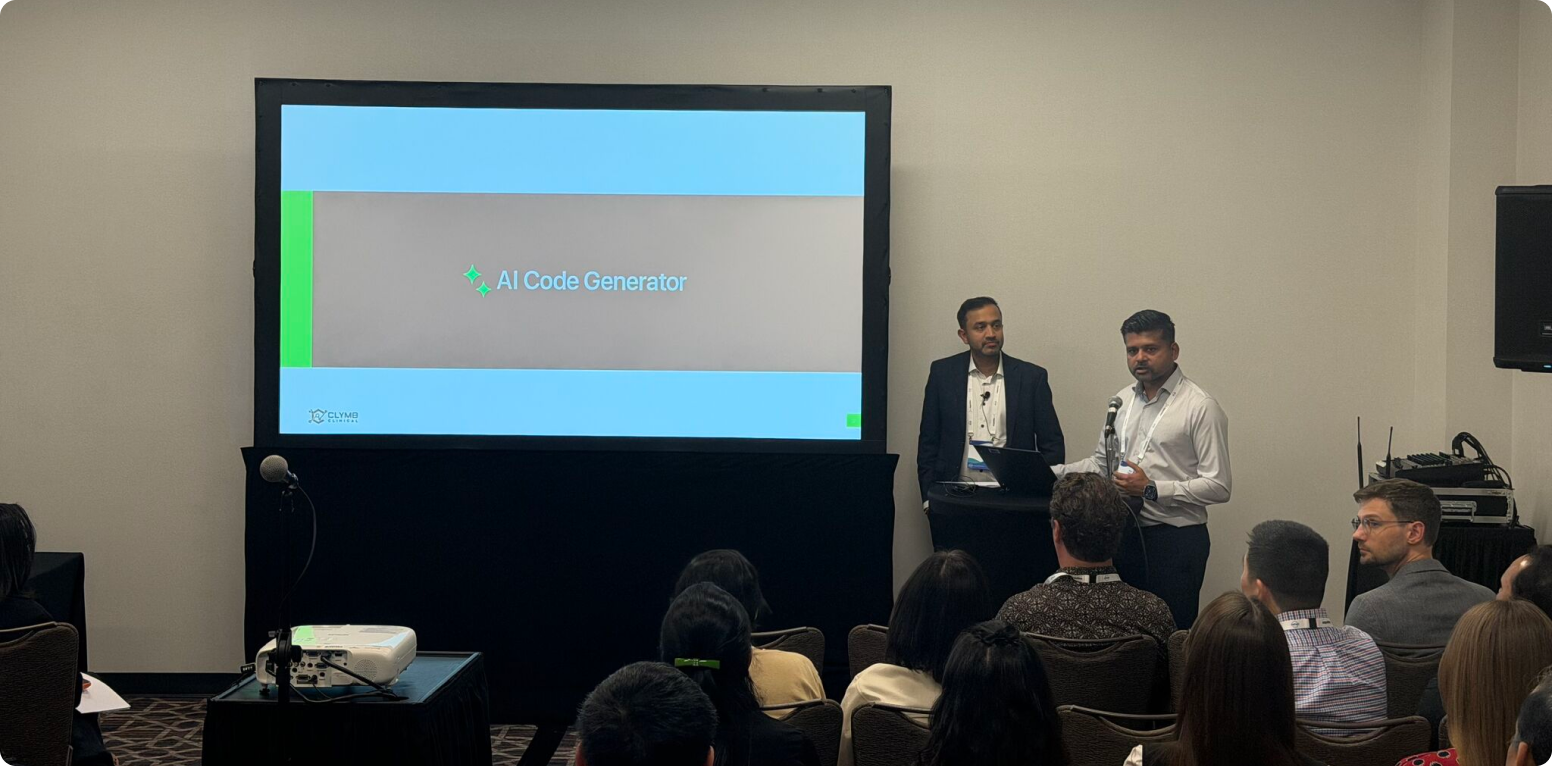
3. AI Code Generator: Automating TFL Programming with ARS Metadata
Presenters: Bhavin Busa and Navin Dedhia
Bhavin and Navin demonstrated how the Clymb AI Code Generator uses LLM and GenAI capabilities to produce production-ready SAS and R code in minutes. The session included a live case study showing how TFL programs can be generated, refined, and applied directly to study data using metadata from TFL Designer, reducing manual effort and accelerating delivery timelines.
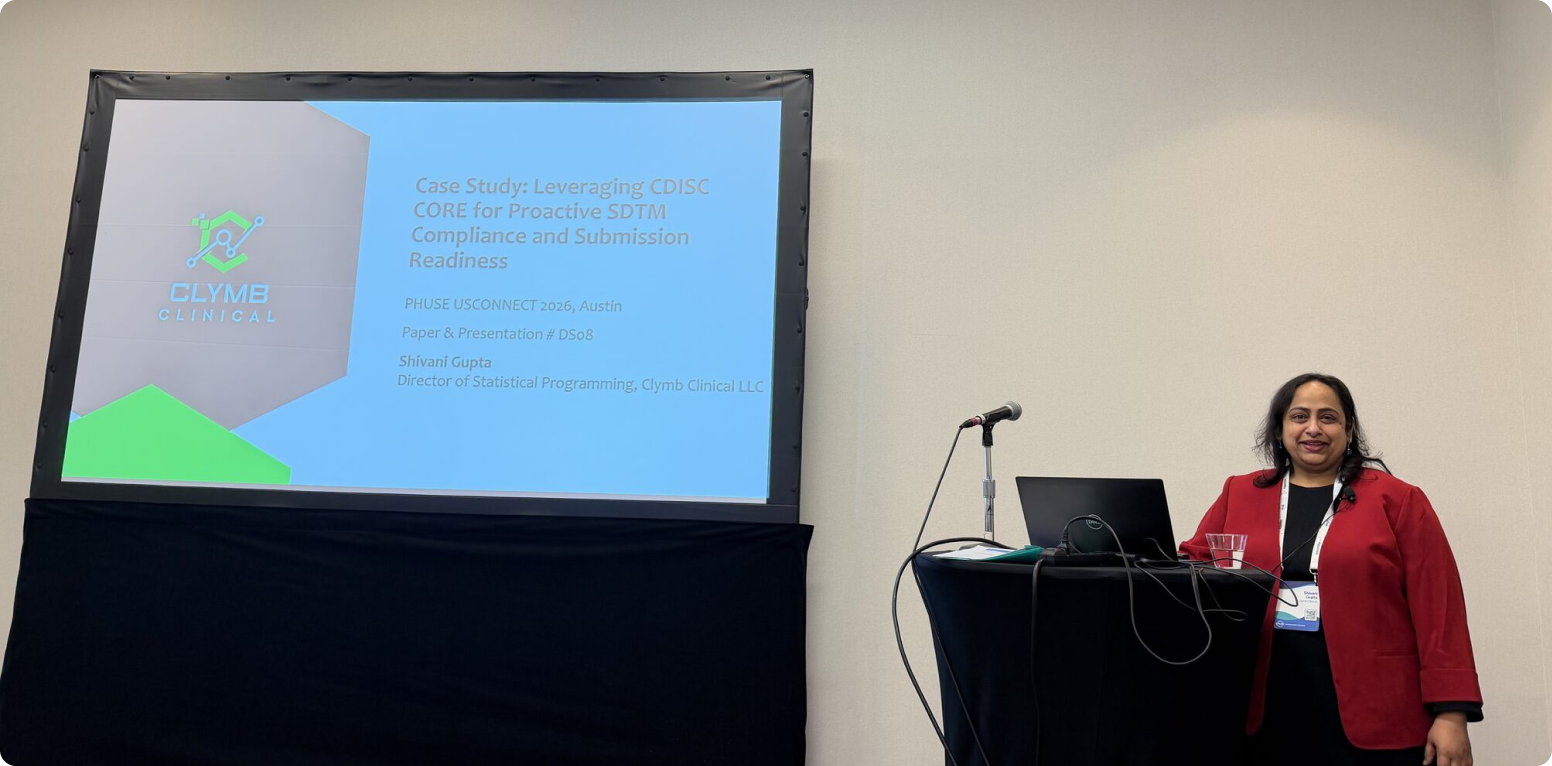
4. Leveraging CDISC CORE for Proactive SDTM Compliance and Submission Readiness
Presenter: Shivani Gupta
Shivani shared how integrating the CDISC Open Rules Engine (CORE) directly into SAS programming workflows transforms SDTM development. By running compliance checks as each domain is built rather than waiting until submission, teams can catch issues earlier, reduce rework, and strengthen data quality. The session covered per-domain versus study-level validation outcomes and highlighted the cost and transparency benefits of a CORE-first approach.
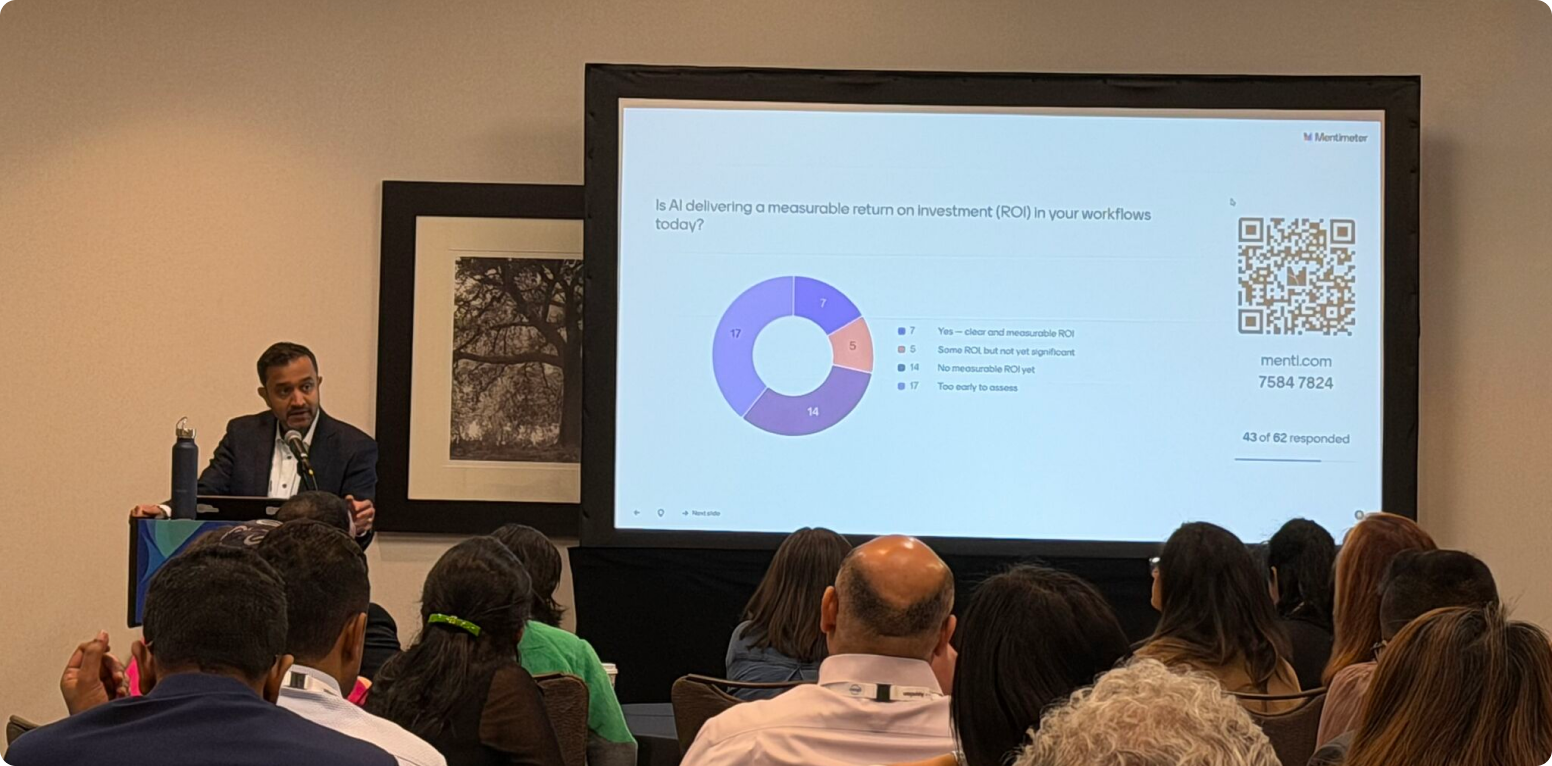
5. The AI Reckoning: Why Statistical Programmers Must Evolve Now
Presenter: Bhavin Busa
Bhavin made the case for why the statistical programmer role is evolving faster than many in the industry realize. SAS and R remain foundational, but the day-to-day workflow is being reshaped by AI and commercially available tools. The session explored how programmers can integrate large language models into standards-driven workflows while maintaining compliance, consistency, and scalability. CDISC standards, including the Unified Study Design Model (USDM) and ARS, play a central role in making that integration work reliably.
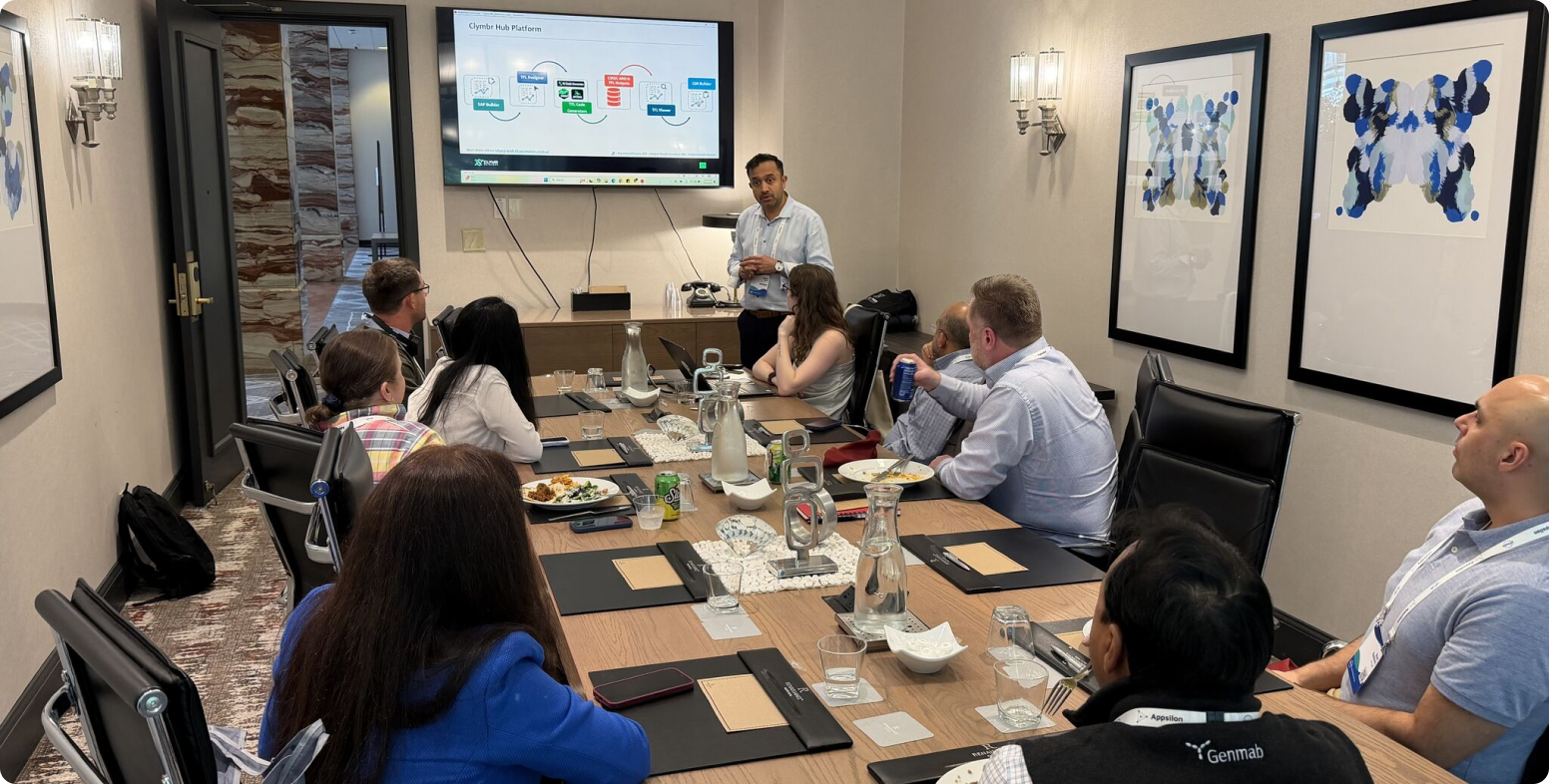
In addition to our main-stage presentations, we hosted two Clymbr Hub Lunch & Learn sessions where attendees could see live demos of the platform in action. The sessions drew strong interest from teams looking to understand how the full SAP to CSR workflow can be automated through a single connected environment.
Beyond the sessions, PHUSE US Connect is one of the best places to have real conversations with statisticians, programmers, and data scientists who are working through the same challenges our clients face. This year, the topics that came up most were around AI integration, CDISC standards adoption, and building workflows that scale across studies. Those conversations directly inform how we build and evolve the Clymbr Hub.
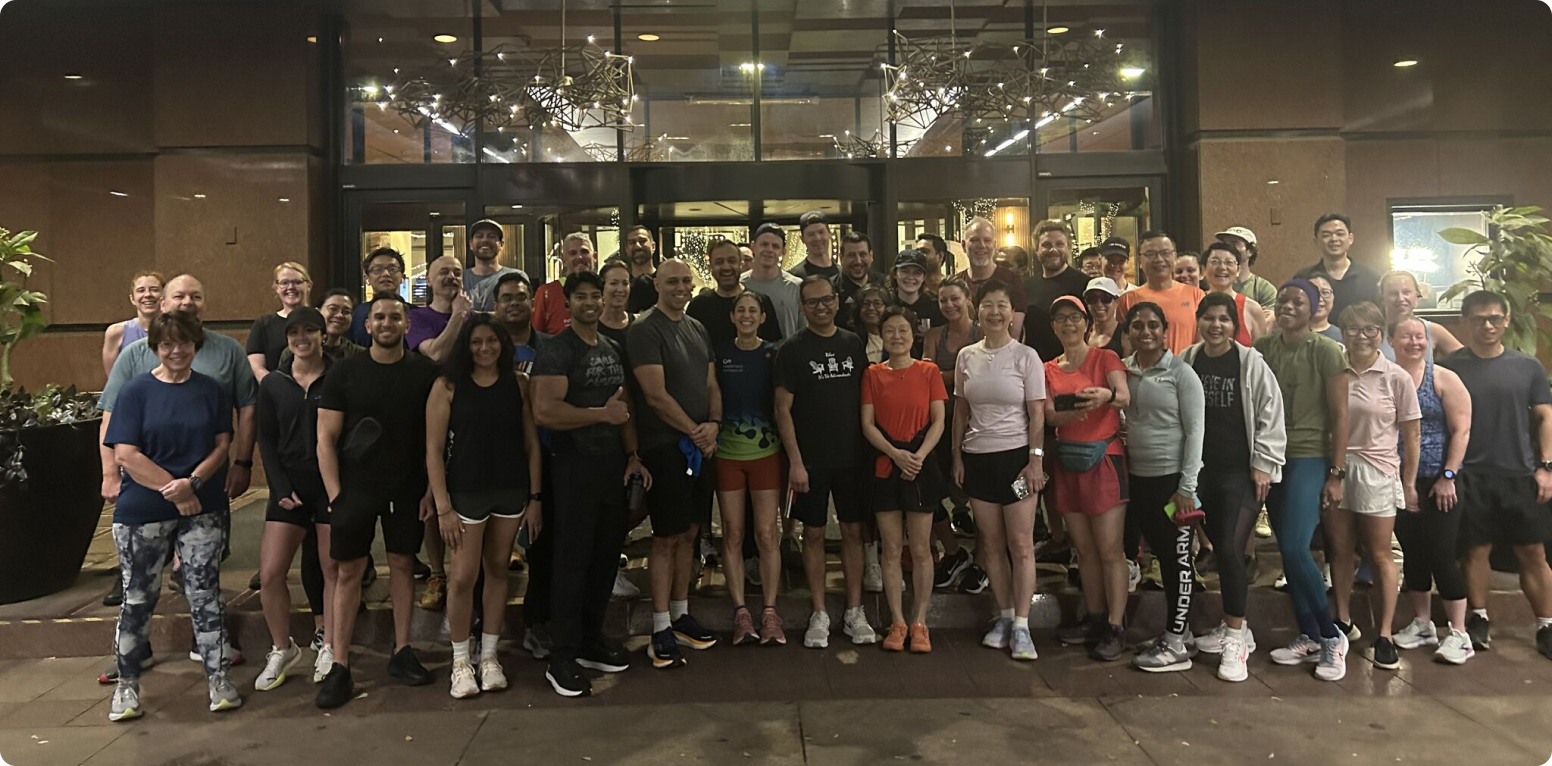
The Clymb team also took part in the PHUSE 5K Fun Run on the morning of March 24, with a record 50 participants from across the conference community. It was a good reminder that the best industry relationships are built both inside and outside the session rooms.
A big thank you to the PHUSE organizing committee, everyone who attended our sessions, stopped by Booth, or joined us for a run. Austin was a great host city, and we are already looking forward to next year.
.png)
Latest Blogs
By Tawanna Childs
June 25, 2026
Clymbing Higher
From Midwest Roots to AI-Driven Biotech: Why I Moved to Boston.
I always envisioned trading in the Midwest for endless sunshine, crystal beaches, and tropical blooms. Somehow, my directionally illiterate self-ended up in the East Coast-where winters drag on, the days are shorter, traffic always wins and you quickly begin questioning your life choices.
By Tanaya Kondejkar
June 12, 2026
Beyond the Prompt: AI in Biostatistics, Statistical Programming and Medical Writing Workflow
We are living through a revolution where AI is reshaping how all industries operate. The clinical trial domain is one of the most complex industries but AI is very quickly transforming how the reporting side of it works. Clinical workflows follow strict regulatory standards. As someone building AI systems in this space, I’ve found that […]
By Bhavin Busa
May 21, 2026
AI Pulse: Taking the Industry’s Temperature on GenAI in Statistical Programming
AI Pulse was one of the most talked-about sessions at PHUSE US Connect 2026. Moderated by Bhavin Busa, the session brought together 75+ statistical programming professionals for a candid, anonymous look at where the industry actually stands on GenAI adoption. The results may surprise you...
By Shivani Gupta
April 16, 2026
Turbo TFLs: AI as our Sous-Chef
These days everyone wants to add a little AI tadka* into their daily work, and at my job, we’re no different. Just a few months ago, what I now lovingly call “the stone age”, we were still making Excel sheets, listing out program names, hunting for unique and duplicates, and building our TFL lists one […]
By Navin Dedhia
April 8, 2026
AI Isn’t Replacing Clinical Programmers – It’s Redefining the Role
There’s growing noise in clinical programming circles. Questions like “Will AI replace clinical programmers?” or “Will R automation eliminate manual TFL programming?” are becoming more common. But these questions miss the point.
